Employee Says She Started Rescuing Bees Swarming a Neglected Workplace Trash Can, Then Her Managers Made Her Wonder If Saving Pollinators Had Made Her the
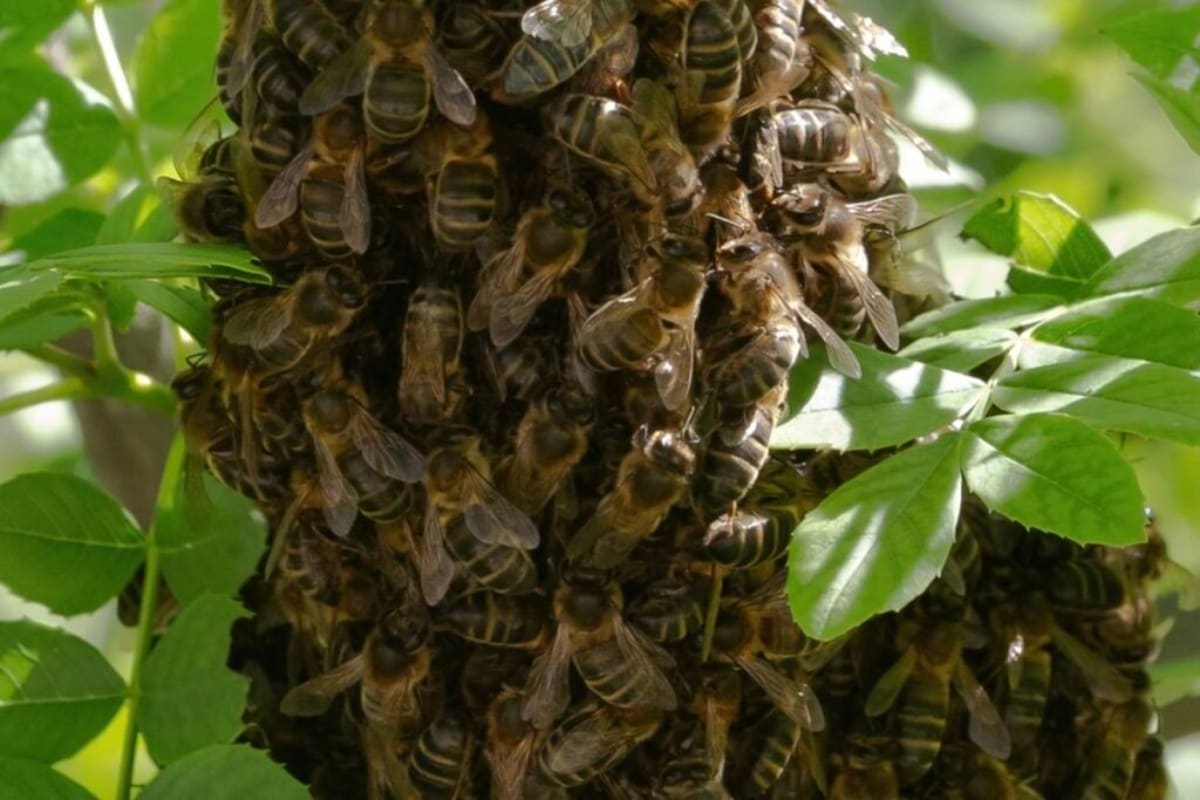
Image Credits: Shutterstock/SPORT PRESS MEDIA.
A person shared his story about an unusual day at work when a neglected outdoor trash can suddenly became the center of a buzzing commotion. The employee worked at a beauty store next to another retailer, whose staff were responsible for emptying the shared outdoor trash can. Unfortunately, the garbage had reportedly been left unemptied week after week, and someone had tossed away something sweet that attracted a swarm of at least 50 to 100 bees. What should have been an ordinary workday quickly turned into a pollinator rescue mission.
The situation became more chaotic when the bees started flying inside the store, leaving customers and employees unsure what to do. Some people were alarmed, while others continued holding the door open as the insects tried to get outside. For someone who cared deeply about bees, watching the confusion unfold was especially upsetting. The employee soon decided that standing around and hoping for the best was not an option.
The Neglected Garbage Became a Problem for Everyone
The trash can was supposed to be someone else’s responsibility, but its condition had created a problem that spilled into the neighboring workplace. Sweet food scraps had effectively turned it into an all-you-can-eat buffet for hungry insects. With so many bees gathering around the container, it was hardly surprising that some eventually made their way indoors. A small maintenance issue had suddenly become a much bigger workplace headache.
For gardeners, the scene might sound familiar because pollinators can appear wherever they find attractive food sources. Bees play an important role in helping many flowering plants produce fruits and seeds, but that doesn’t mean a swarm inside a busy shop is easy to manage. The employee saw living creatures in distress while everyone else seemed focused on the immediate disruption. That difference in perspective would soon make the situation even more uncomfortable.
Customers Were Worried, but One Employee Had a Different Plan
As the bees flew around the store, the employee noticed that customers were not necessarily helping them find their way outside. People were holding the door open, which could have allowed even more insects to enter while the confusion continued. Instead of treating the bees as unwanted intruders, the employee decided to help individual insects escape. Her concern was not simply about getting the store back to normal but also about preventing unnecessary harm.
The decision was driven by compassion rather than a desire to make a scene. While other people were trying to avoid the buzzing insects, she was looking for a way to protect them. That determination made her stand out in a room full of people who did not share her approach. Before long, her efforts would attract attention for reasons she had not anticipated.
One Employee’s Reaction to an Insect Being Sprayed Changed Everything
The situation reached an emotional turning point when another employee reportedly tried to deal with a bee by repeatedly spraying it with alcohol. The sight upset the rescuer so much that she began crying. To her, the insect was not just another pest interrupting a shift but a living creature that deserved a chance to survive. Her emotional reaction made it clear that the incident had struck a much deeper nerve than an ordinary workplace inconvenience.
Rather than simply walking away, she picked up the bee and placed it in a jar. She then gave it sugar water and allowed it to rest before releasing it outside. The other employee reportedly felt bad afterward, suggesting that the moment had made an impression. What began as a disagreement over an insect had become a small lesson in compassion, even if not everyone understood the rescuer’s feelings.
A Jar Became an Unlikely Rescue Tool
Once the first bee had been safely released, the employee continued helping others that she could catch. She eventually rescued at least ten bees, carefully placing them in a jar before giving them an opportunity to recover and return outdoors. It was hardly a conventional task for someone working in a beauty store, but she seemed determined to make a difference. While others saw a swarm, she saw individual lives that might be saved.
Her actions also highlighted how quickly an ordinary garden-related issue can become an unexpected rescue effort. Bees sometimes become trapped indoors after following food odors or moving through open doors, and safely guiding them outside can be preferable to harming them. However, handling unfamiliar stinging insects carries risks, particularly when several are gathered together. A safer approach is to keep people away from the swarm and contact an appropriate local bee rescuer when necessary.
Management Finally Took Action Outside
As the employee continued her rescue efforts, one of her managers reportedly placed a bag over the outdoor trash can. That move addressed the immediate attraction by covering the source of the food odors and restricting access to the garbage. It was a practical step, although it did not instantly resolve the situation inside the store. The bees that had already entered were still a concern, and the employee wanted to know whether any more needed help.
For someone who cared about pollinators, simply covering the trash did not feel like the end of the story. The insects already inside might still have been trapped, injured, or struggling to find their way out. The employee continued looking for bees she could safely rescue, even as the workplace shifted its attention back to normal operations. Unfortunately, the next problem had less to do with the insects and more to do with the people watching her.
The Rescuer Started Wondering Whether Her Kindness Looked Strange
After the immediate commotion, the employee noticed that her other managers were looking at her differently. They reportedly said that the other bees inside were dead, which left her wondering whether there were any more she could save. She had acted because she cared about the insects, but now she worried that her behavior had made her seem strange. A day that began with a simple act of kindness had turned into an uncomfortable question about how her colleagues viewed her.
The uncertainty was particularly painful because she had not intended to challenge anyone or disrupt the business. She had simply reacted to something that upset her and tried to help. Yet workplace situations can make people feel self-conscious when their personal values differ from those of the people around them. In this case, the employee was left questioning herself even though her intentions had been compassionate.
Why Bees Matter Beyond the Flower Bed
Gardeners understand that bees are more than tiny visitors drifting between blossoms. Many bee species pollinate flowering plants, including crops that people rely on for food, and their activity helps gardens remain productive. Their importance is one reason many people choose to plant nectar-rich flowers, avoid unnecessary pesticide use, and provide suitable habitat. The employee’s emotional response reflected the same appreciation for living things that motivates many pollinator-friendly gardeners.
However, not every buzzing insect is a honeybee, and not every swarm can be safely handled by an untrained person. Some wasps can look similar to bees, and insects gathered around garbage may behave differently from pollinators visiting flowers. Correct identification matters because the safest response depends on the species and situation. Compassion for insects works best when it is paired with sensible precautions for people nearby.
A Response From a Person Offered the Reassurance She Needed
A response from a person supported the employee’s decision to help the bees, pointing out how much humans depend on pollinators. The response suggested that she was doing the right thing by caring about their survival rather than treating them as disposable nuisances. That reassurance addressed the very concern troubling her after the incident. Instead of viewing her actions as embarrassing, the person saw them as evidence of kindness.
Other responses expressed similar support for rescuing small creatures rather than killing them unnecessarily. One person described having a comparable instinct to protect spiders and bees when other people wanted to swat them. These reactions showed that the employee was not alone in her feelings, even if the people standing beside her at work did not share them. Sometimes a little understanding from someone else can make an uncomfortable day feel much less lonely.
Not Everyone Agreed About What the Bees Actually Were
One response raised a practical question about whether the insects were definitely bees rather than yellow jackets or other wasps. That distinction mattered because the behavior described around the trash can could have involved insects other than the gentle pollinators people usually imagine visiting flowers. The employee later indicated that the insects appeared to be fuzzy bees rather than yellow jackets. Still, the exchange highlighted why identification is important before attempting a rescue.
For gardeners, this is a useful reminder not to make assumptions based on buzzing alone. Honeybees, bumblebees, solitary bees, and wasps have different behaviors and nesting habits, and their risks to people can vary. When a large group gathers near a building, keeping a safe distance is generally wiser than trying to catch insects individually. A local beekeeper or trained bee rescue service may be able to identify the insects and recommend a suitable solution.
The Story Was Really About More Than One Swarm
At first glance, the incident seemed like a simple workplace disagreement about what to do with unwanted insects. But underneath the buzzing and confusion was a larger question about how people respond when they see something vulnerable in trouble. The employee could not ignore the possibility that the bees were being harmed, even when everyone else appeared eager to move on. Her concern made the situation emotional because she viewed the insects as lives worth protecting.
That instinct is familiar to anyone who has stopped mowing to move a frog, carried a stranded worm off a hot sidewalk, or rescued a pollinator from a puddle. Such moments may seem insignificant to someone in a hurry, yet they can matter deeply to the person who takes the time to help. The employee’s story resonated with people who believed kindness should not be limited to animals that are conventionally considered cute or lovable. Even a tiny creature can inspire a surprisingly strong sense of responsibility.
The Workplace Could Have Prevented the Problem Earlier
Although the employee’s rescue efforts became the focus of attention, the neglected trash can was the original source of the trouble. Regularly emptying garbage, securing food waste, and keeping exterior bins properly covered can reduce the likelihood of attracting large numbers of insects. Once bees or wasps begin gathering near a busy entrance, the situation can become stressful for customers and staff alike. Preventing the attraction in the first place is often much easier than managing a swarm after it forms.
A better response would also have included a clear plan for dealing with the insects that had entered the building. Employees could keep doors closed where practical, avoid swatting or spraying insects indiscriminately, and contact trained help if a large group remained. That approach would protect customers while reducing unnecessary harm to beneficial pollinators. The incident demonstrated how a basic maintenance problem can turn into a much larger issue when nobody addresses it promptly.
Saving Bees Does Not Have to Mean Taking Unnecessary Risks
The employee’s willingness to help was admirable, but caring about pollinators does not require anyone to put themselves in danger. Catching individual insects in a jar may sound simple, yet it can be risky around a large group, particularly if the species is uncertain or someone has a severe allergy. A safer strategy is to give insects space, reduce unnecessary disturbance, and seek experienced assistance when the numbers are substantial. Good intentions are most effective when they are supported by a sensible safety plan.
Gardeners can make a difference without directly handling insects at all. Planting a range of native flowering species, providing pesticide-free habitat, and allowing some suitable areas to remain undisturbed can support pollinators over the long term. These measures also help create a garden where bees are more likely to find food away from busy doorways and garbage containers. Sometimes the best rescue begins long before a bee becomes trapped indoors.
The Unexpected Ending Left One Employee Questioning Herself
By the end of the incident, the employee had rescued at least ten bees, helped one recover with sugar water, and watched management cover the trash can outside. Yet instead of feeling entirely relieved, she found herself worrying that her colleagues thought she was weird. Her concern was understandable because most people want to feel accepted at work, especially after an emotional moment in front of coworkers. The twist was that the person who had tried to help living creatures was now the one feeling embarrassed.
The responses she received offered a different perspective: compassion is not something to be ashamed of simply because other people react differently. Her actions did not need to become a workplace spectacle, and she could still learn safer ways to handle future encounters with insects. The neglected trash can may have started the whole mess, but the incident ultimately revealed how differently people can view the same small creatures. For gardeners and pollinator lovers, the lesson is simple: kindness matters, and it works best when paired with care, knowledge, and a little common sense.
Read The Original Story Here
Source: Nature



0 Comments